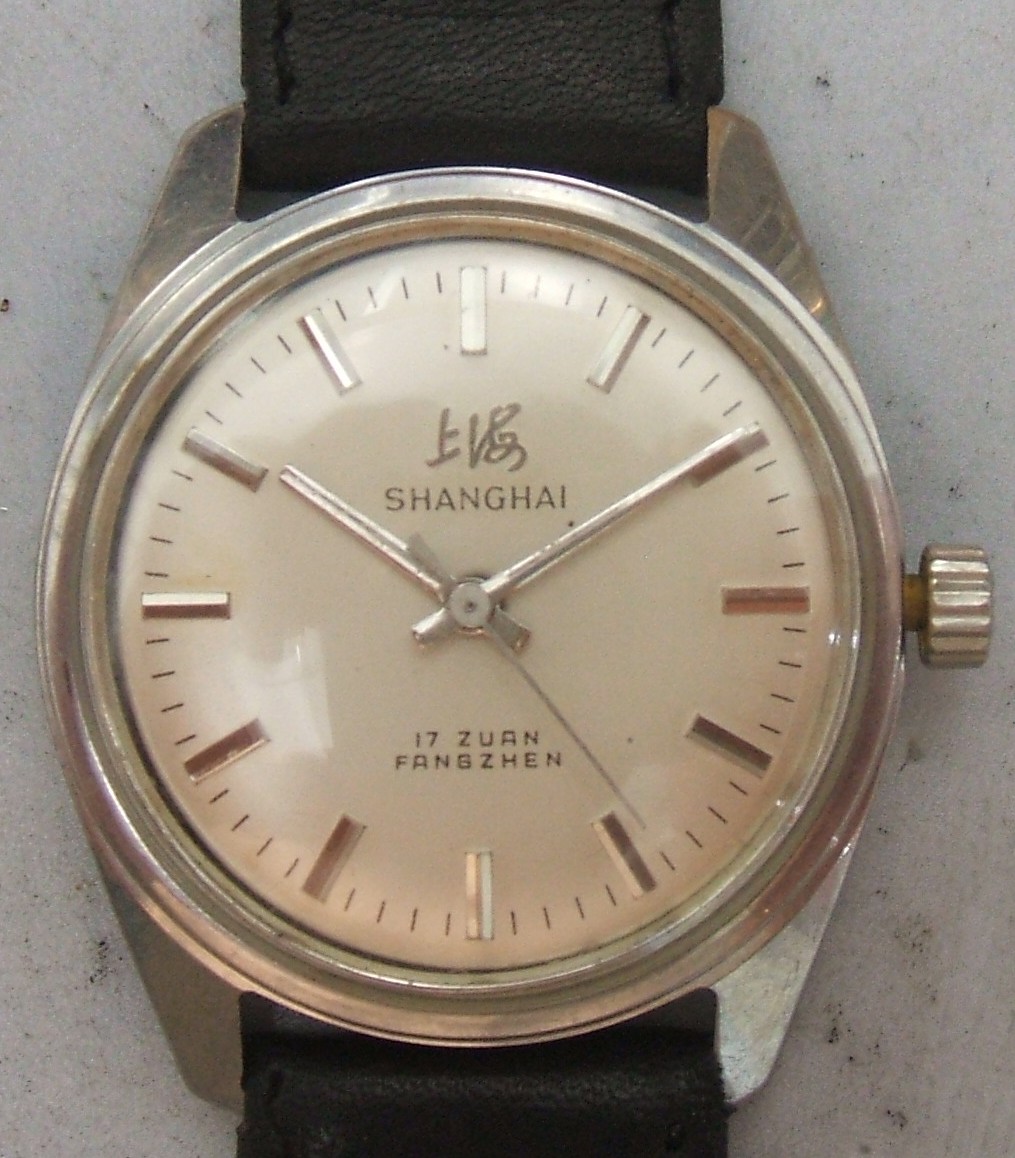
Shanghai 1970c


Before the fall of the bamboo curtain, China made their own watches and clocks.  I can remember the alarm clocks.  Where I worked in 1970 they sold them for $1.95 and they would arrive in store with spare mainsprings, balance staffs and other parts that were thrown away because it was uneconomical to undertake any repairs. They didn’t need much repair, they performed really well.

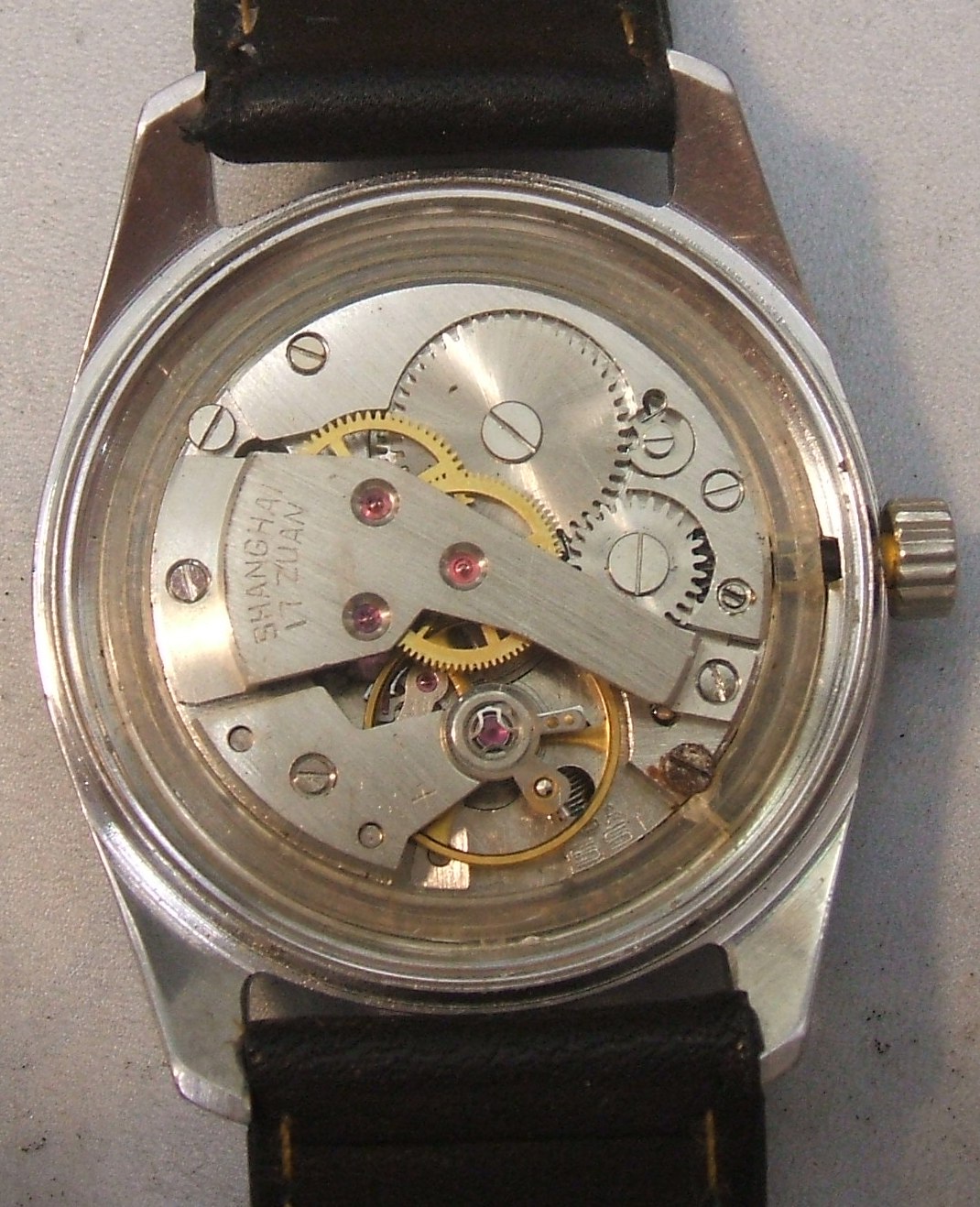
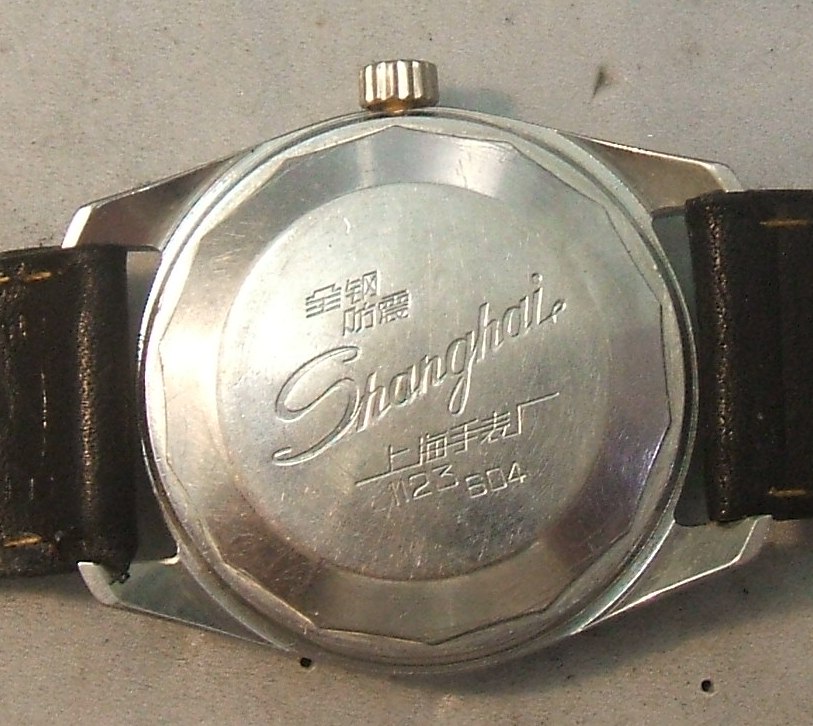
As for Chinese watches, I can’t remember ever having one cross my bench.  But now I have one.  This is an interesting but very ordinary watch in every way.  The movement looks like a rip off of an AS 1187, an ordinary but robust Swiss movement that was found (among others) in kids watches. The shock proof springs look exactly like Seiko. The case is reasonably solid, water resistant and the whole thing would have performed quite well. It’s style puts it at around 1970. It is signed all over including the crown and, curiously, combines western writing and Chinese symbols. 

Posted in Shanghai | Tagged , , | Leave a comment

Waltham 9ct Gold Pocket 1903


Waltham is the T model Ford of watches; They are very common.  That’s because there were millions sold. And that’s because they were not only technically brilliant in their time but beautiful as well. 

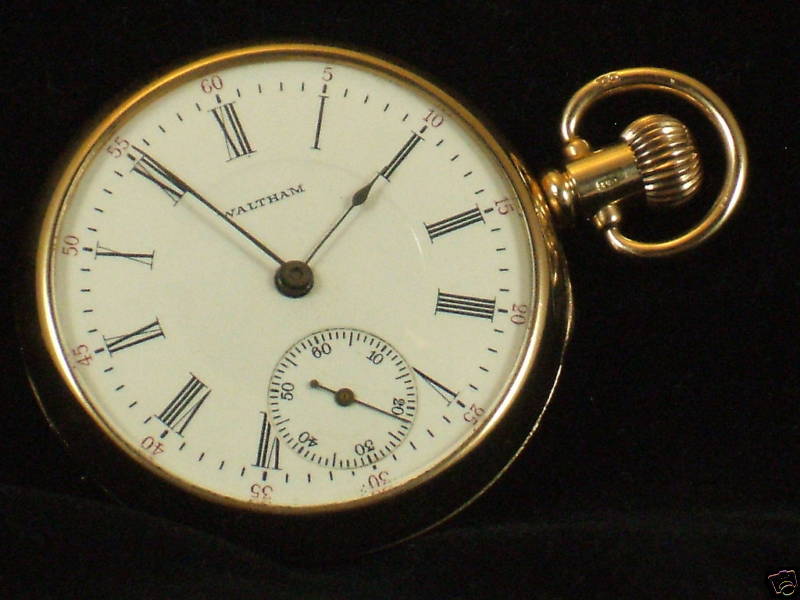
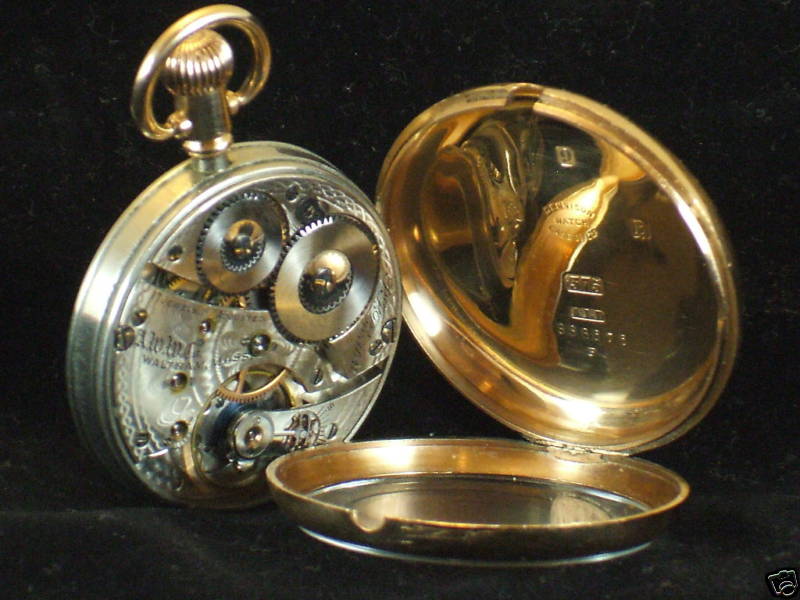
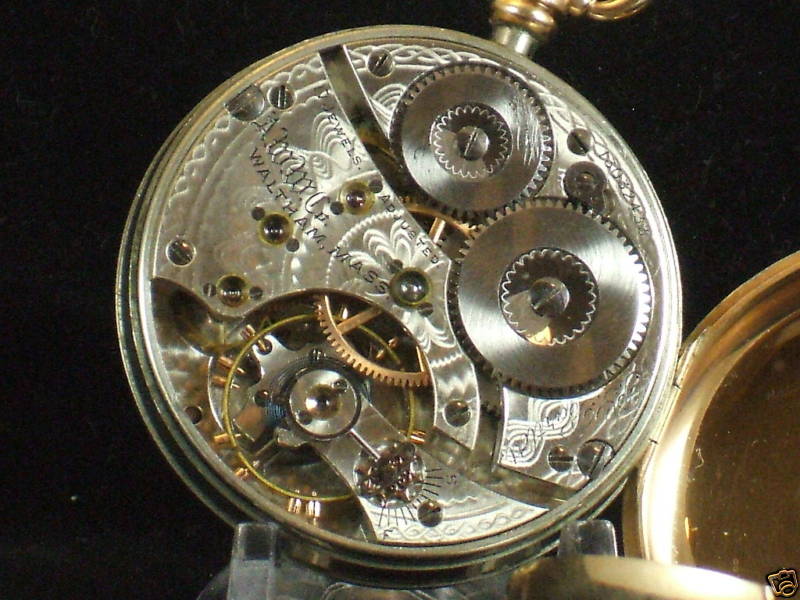
This example in 9ct gold with delightfully thin hands and fine roman numerals has a highly polished and decorated 17 jewel movement. The balance is bi-metallic with timing screws and a brequette hairspring. It is mechanically superior to just about anything that has been produced in the last 50 years. Yet in 1903 (the year that this beauty was produced) it was little more than standard equipment.  110 years ago a buyer looking for a good watch would consider a Waltham like one today would consider a Seiko. 

And I bought this immaculate example with perfect enamel dial at auction for not much more than it’s gold value.

Posted in 9ct Gold, Pocket Watch, Waltham | Tagged , , , | Leave a comment

Omega Dress Watch 1954


This is one of the early additions to my collection, when I started seeking classics and buying them rather than accepting trade ins to close a sale and later forming a relationship with a watch that I should have fallen in love with at first sight.  

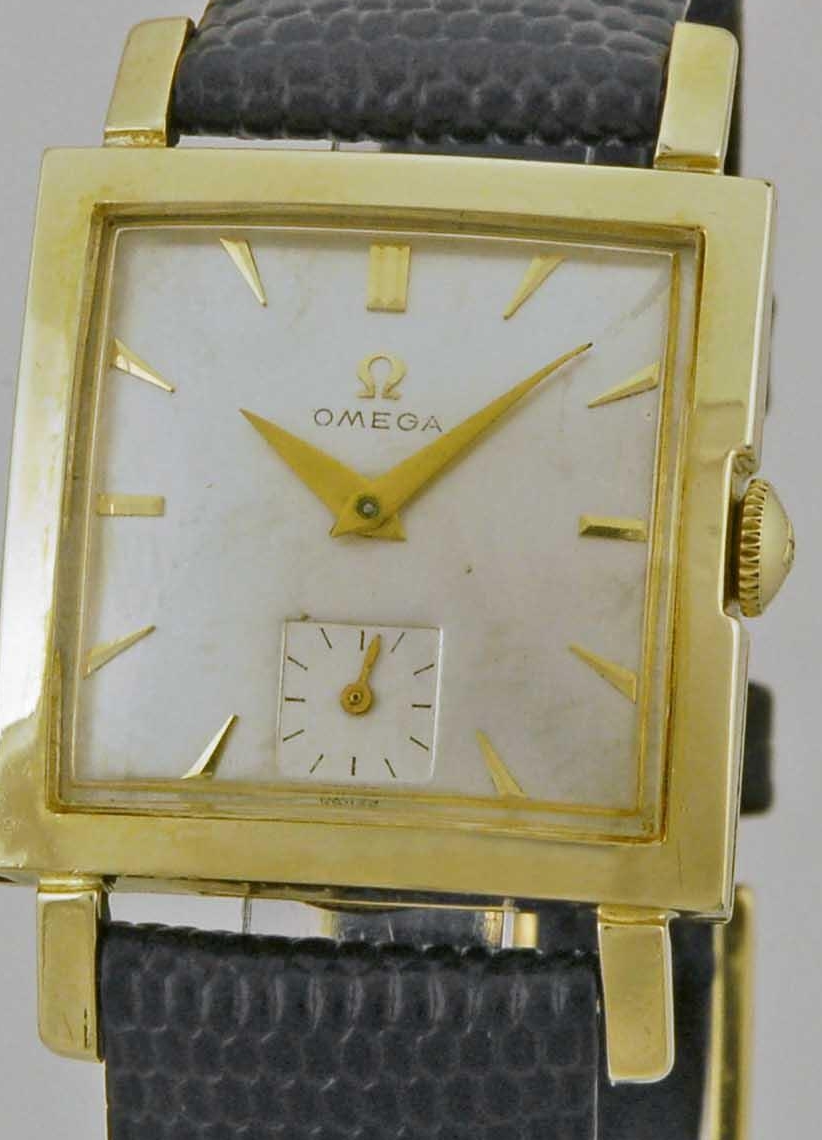
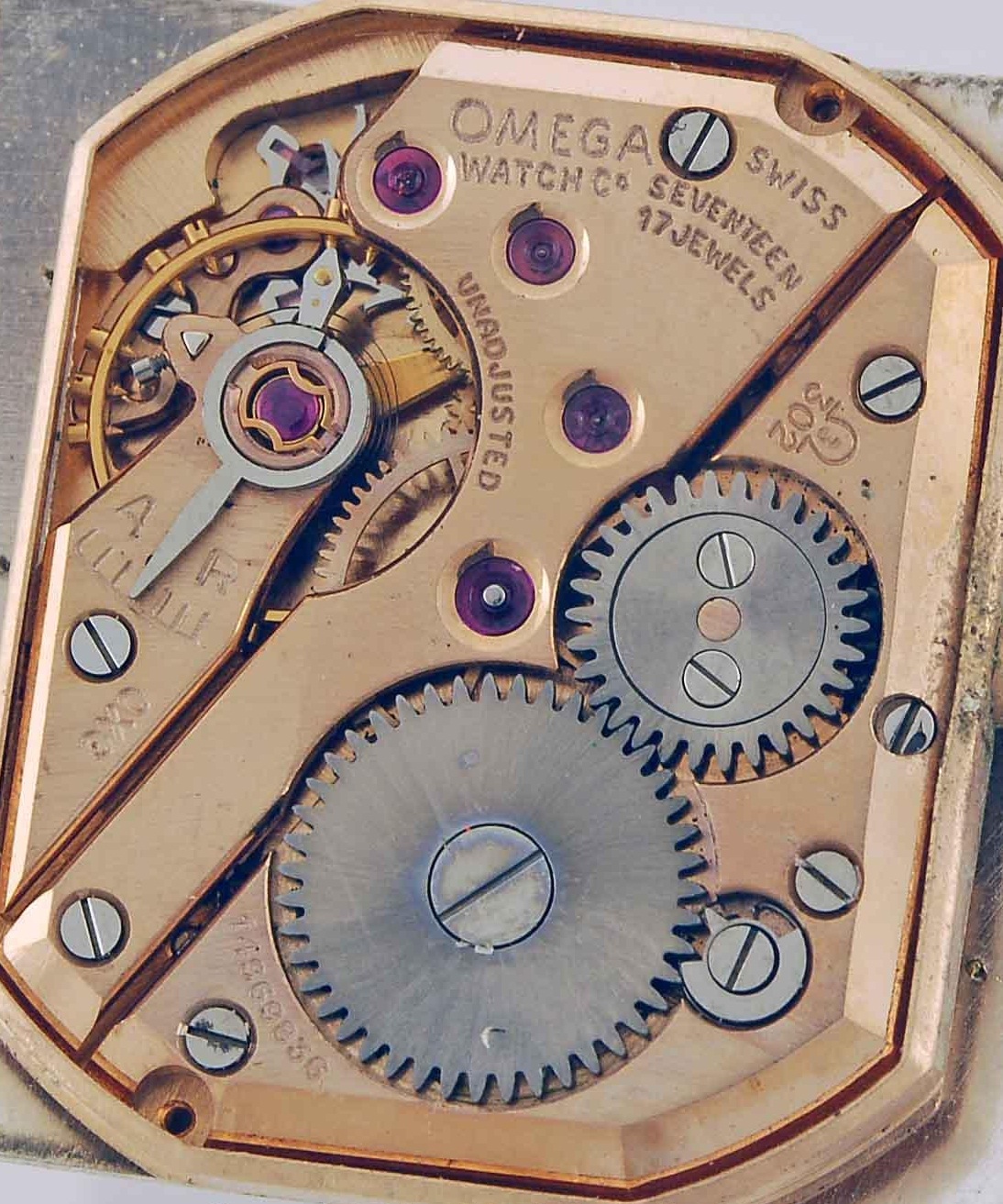
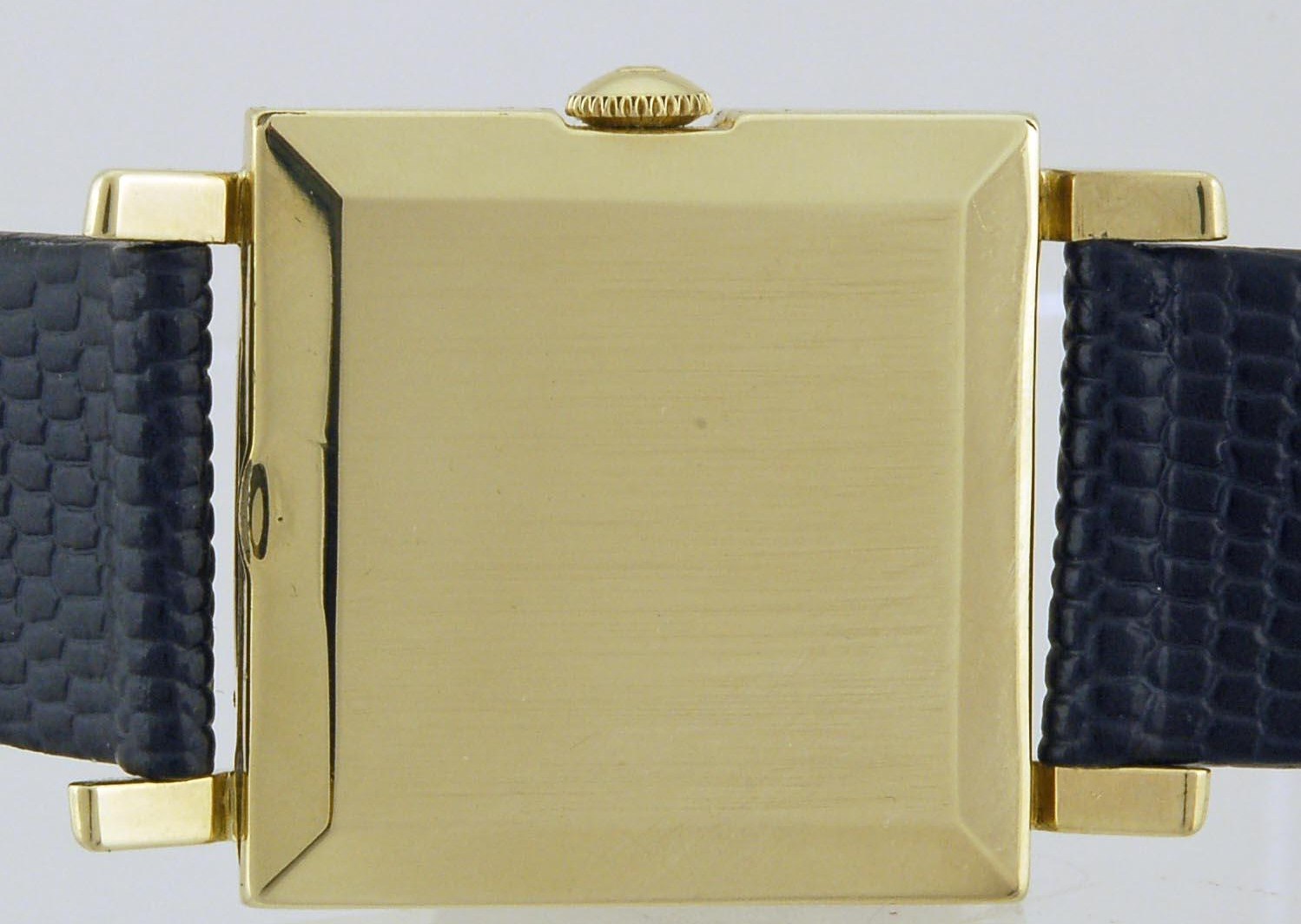
I bought  this restored 1954 gold filled dress watch from a Melbourne dealer. The 302, sub second, rectangular movement is simply adorable.  The dial looks to be buffed and the hands are a little rough but the case and movement are in excellent condition

Posted in Omega | Tagged , , , | 1 Comment

Omega Pocket 1966


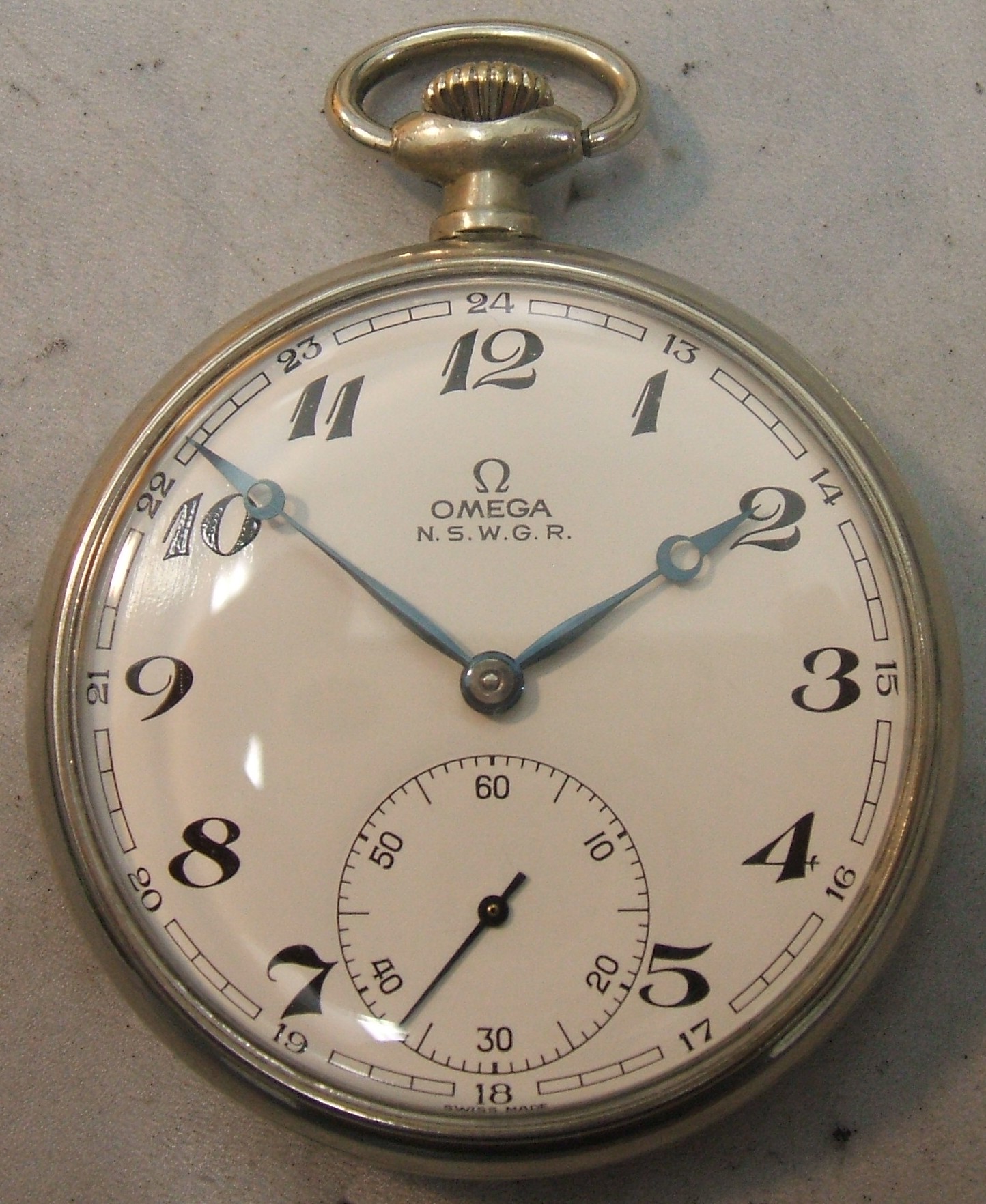
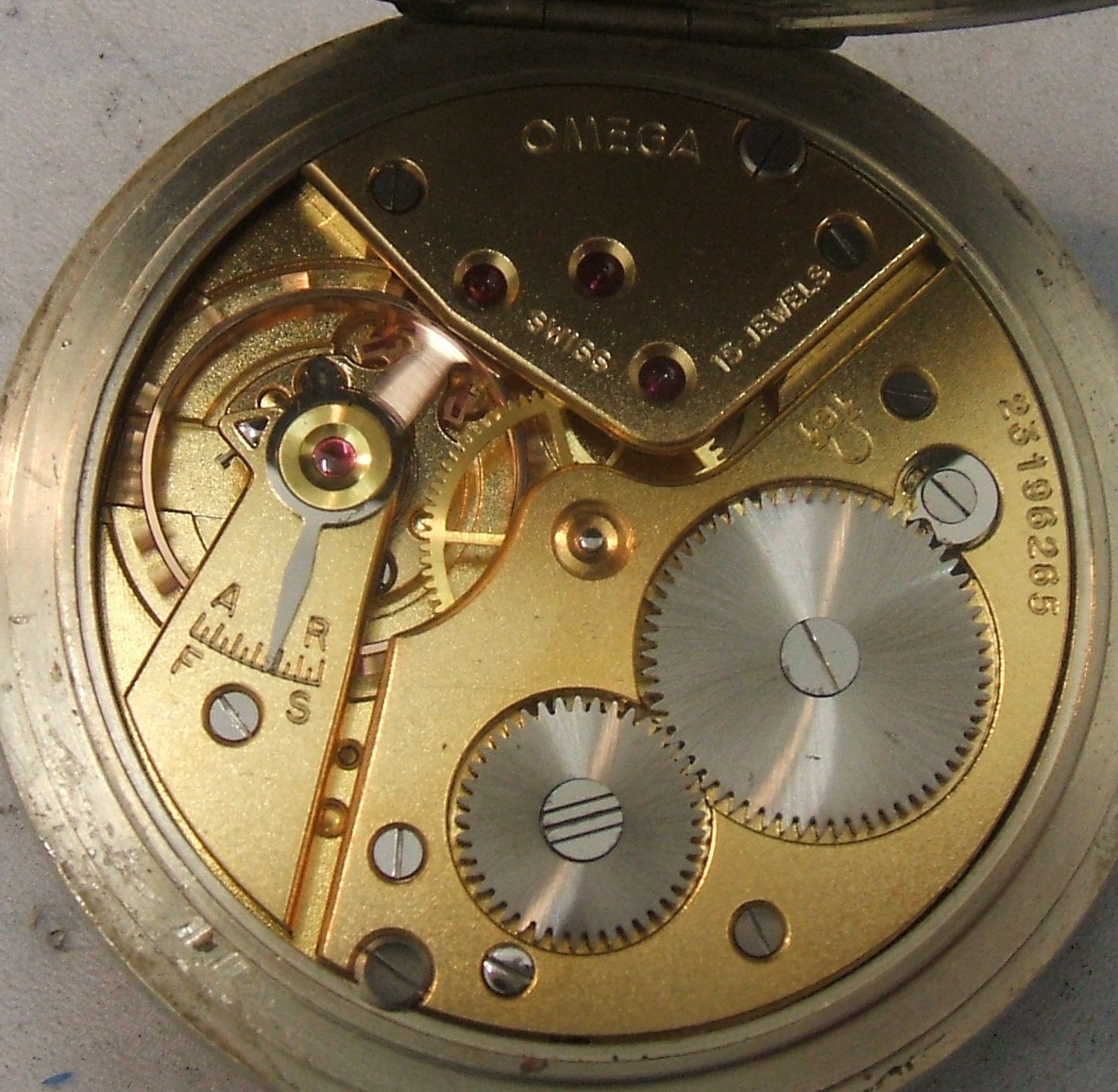
Things don’t change a lot when you’re on a good thing.  This 1966 Omega pocket watch is a liitle slimmer and the case is more rounded and stylish than the more boxy 1947 predosesor that I have.  Prima faci, the old 38.5 calibre and this newer 161 calibre look the same but they are not. I can’t pick a technological advantage one over the other.  In fact the same  thechnology can be found in watches of the late 1800’s.  Like I said, why change a good thing.  

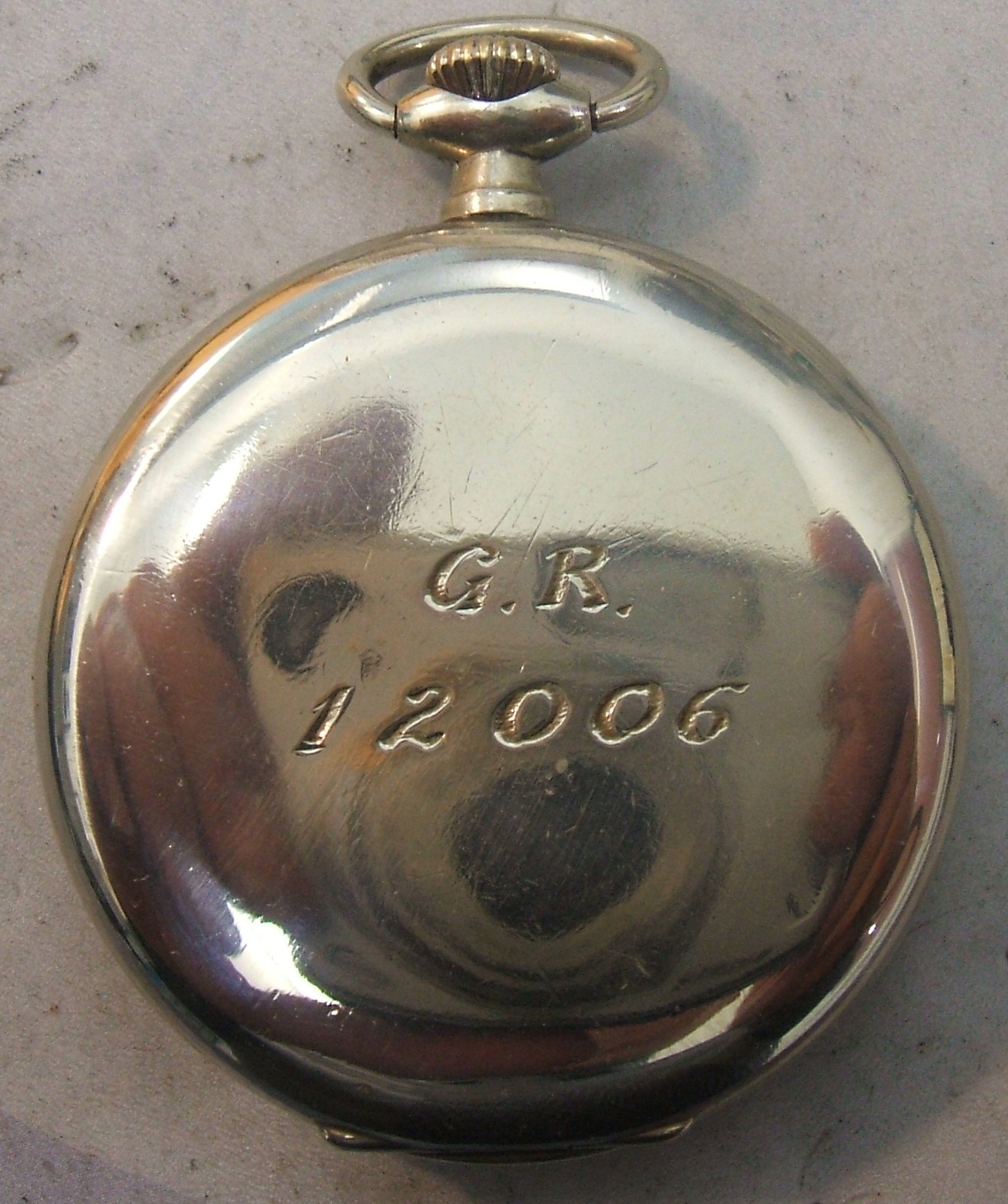
This is a former NSW Government railway watch (N.S.W.G.R printed on dial) with a GR 12006 engraved on the back.  The enamel dial is in perfect original condition with a slightly suncken sub second hand.  The numbers are so stylish as are the blue gunmetal hands.  I brought this for $100, replaced the glass, polished up the case, had the movement overhauled and the brocken balance staff replaced.  I love this watch

Posted in Omega, Pocket Watch | Tagged , , , | 6 Comments

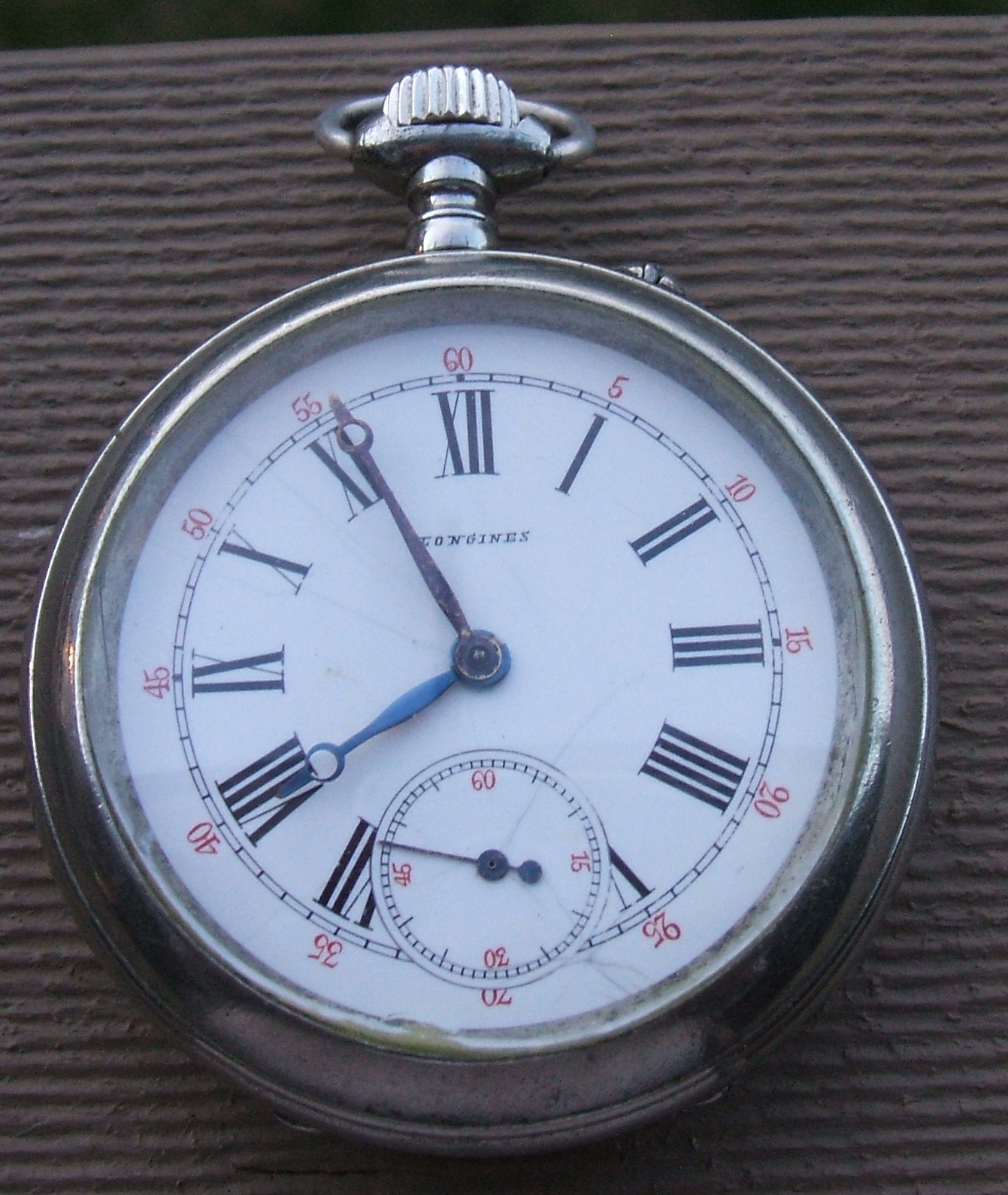
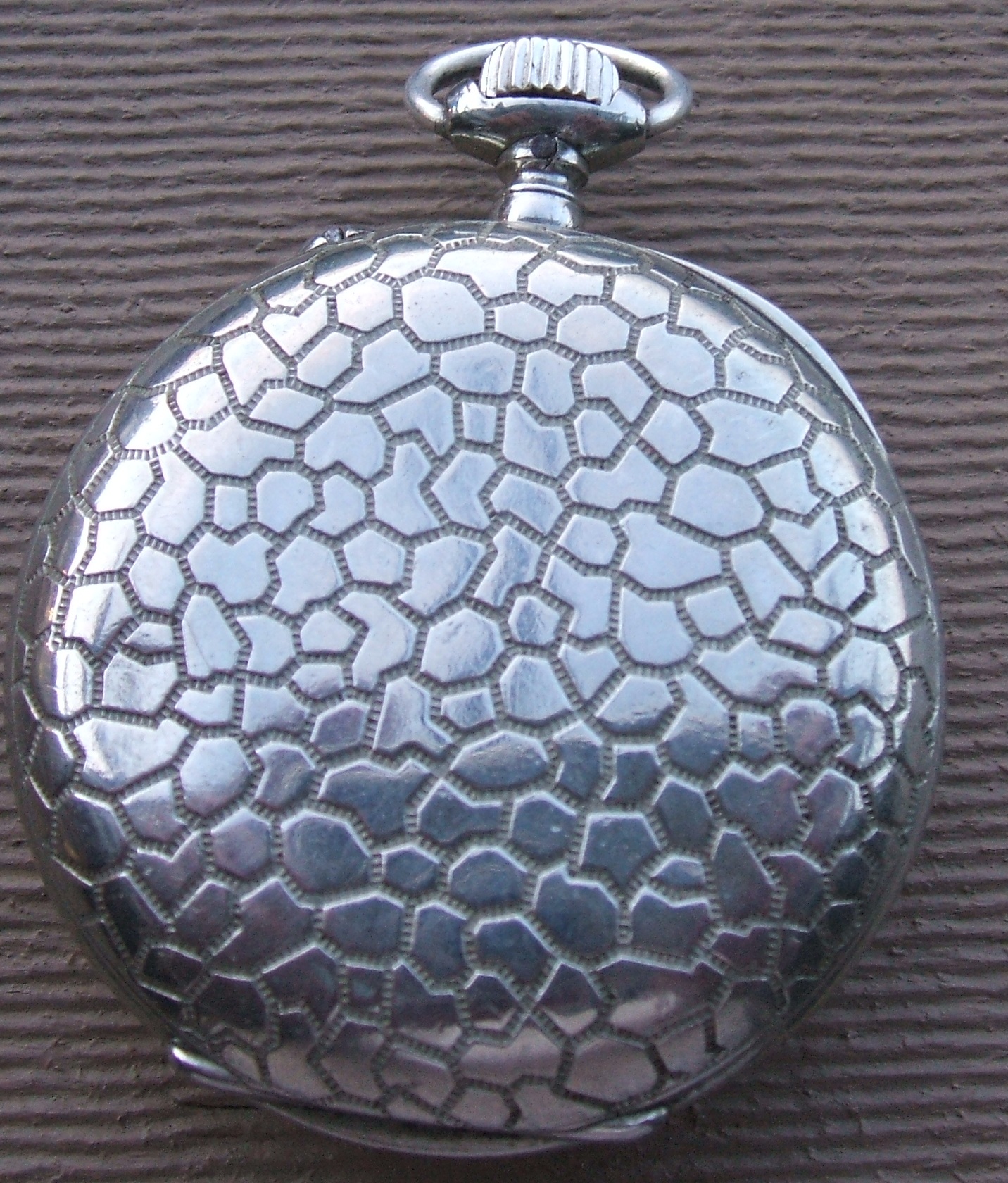
Longines Pocket Watch 1891


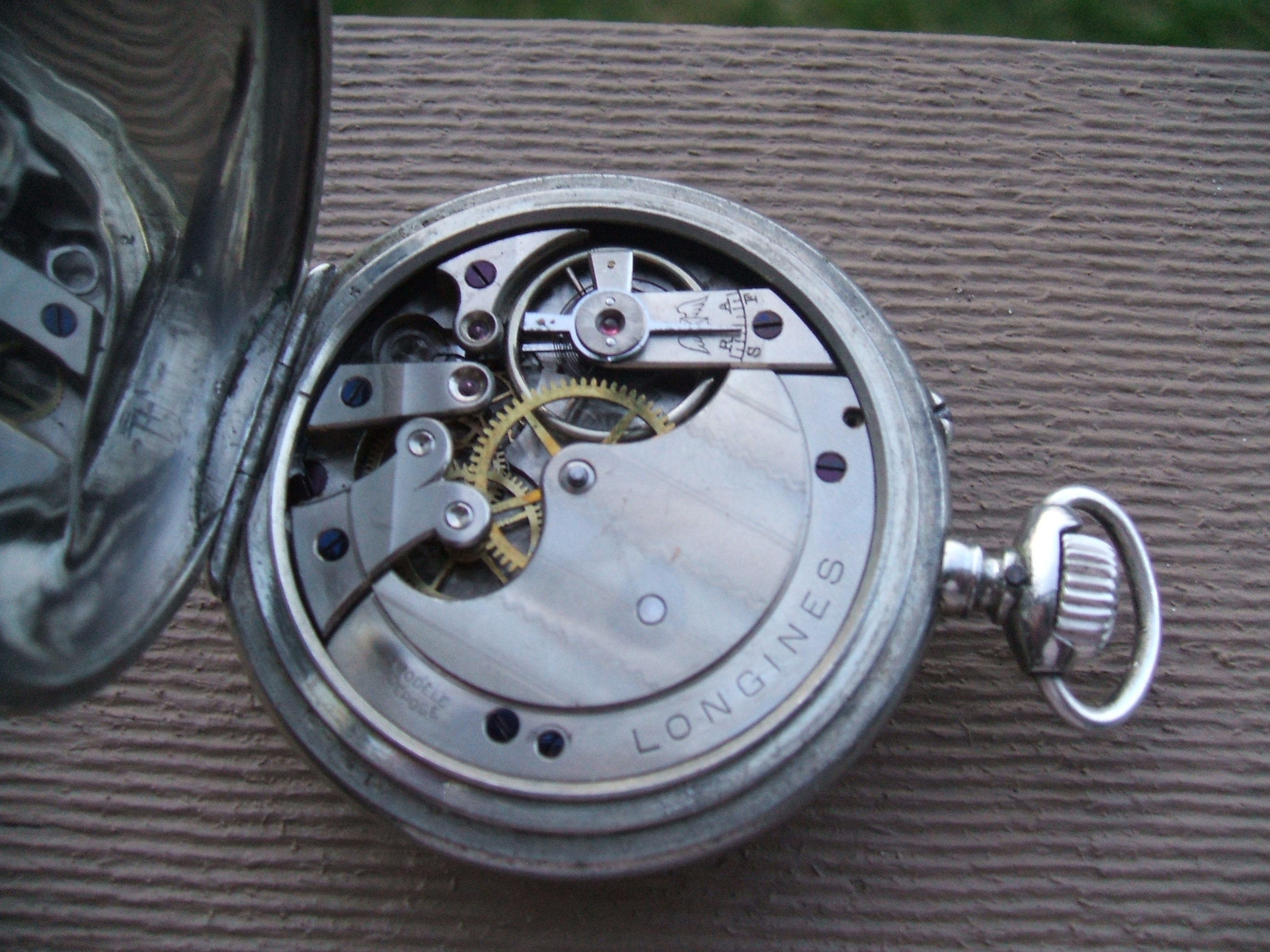
The Longines brand started in 1866 but the company had existed since 1832. It has mostly during it’s history been synonymous with quality timepieces but it has had it’s downs. This watch represents one of it’s downs.  Lightly jeweled, only 10 I think, and a primitive balance that was inferior to even the common Walthams and Elgins of the period. It gets worse; It’s fat, bulky and rather ugly. 

Why do I have it?  Because it’s Sterling Silver, it’s a pocket watch from 1891 and a Longines ……..good enough for my collection. 

Also, I think it’s the only watch I have with the fingernail button to adjust the hands.

Posted in Longines, Pocket Watch | Tagged , , , | Leave a comment

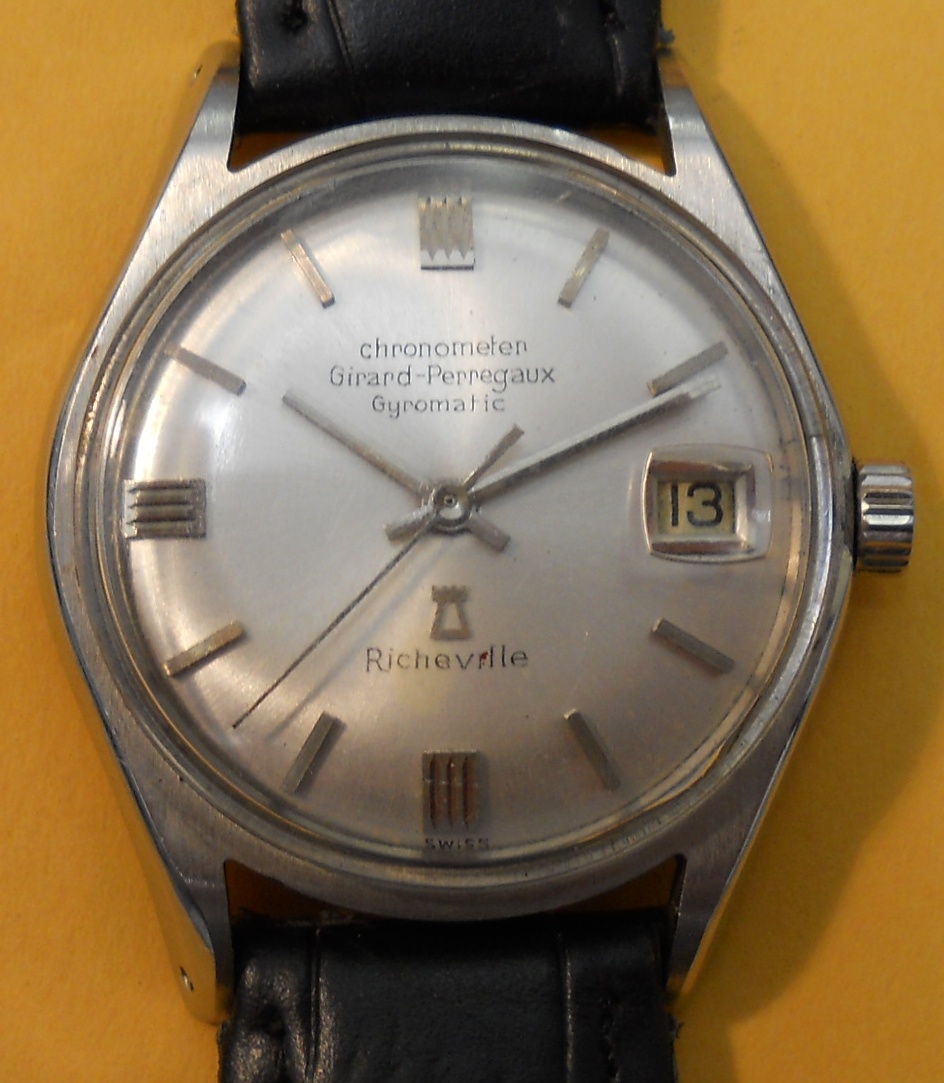
Girard Perregaux Chronometer 1965c


Girard Perregaux  is one the many great Swiss watchmakers that couldn’t get big enough to continue developing in house movements into the 60’s and 70’s.

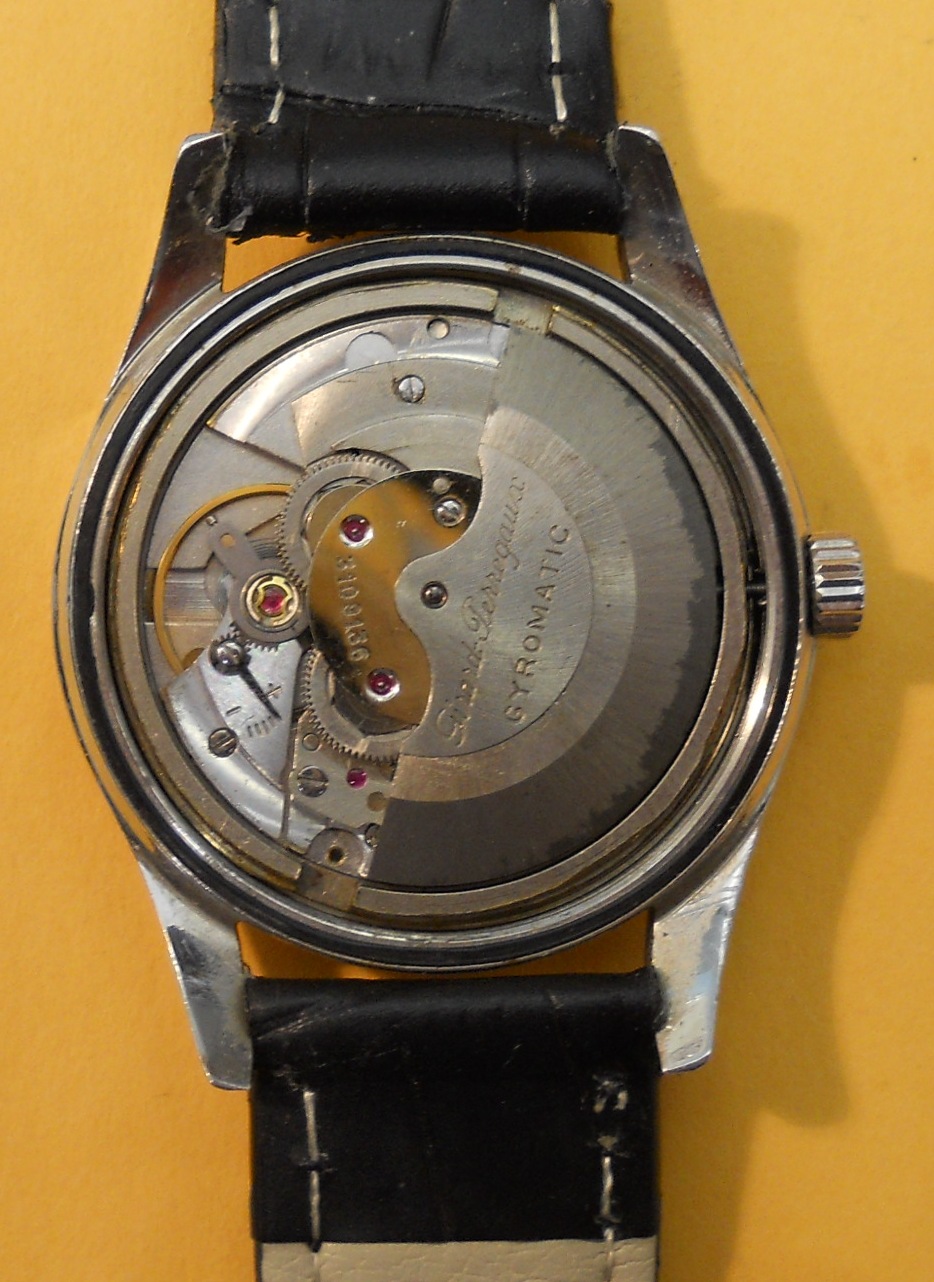
This is a good example of a mid sixty’s quality watch. Automatic, date, water resistant, shock proof. It also has the rare (for the time) feature of an instant date change (the date changes instantly at midnight rather than over a hour or so). But most of all, this is a chronometer and that puts this watch in a class above most of the rest.

The styling of this watch is not outstanding, in fact quite ordinary but the GP does have a reputation for being conservative.

The GP32 calibre is based on the manual wind calibre AS 1687/1688. and was a joint development between Doxa, Eberhard, Favre-Leuba, Girard-Perregaux, and Zodiac.

Posted in Chronometer, Girard Perregaux | Tagged , , , , | Leave a comment

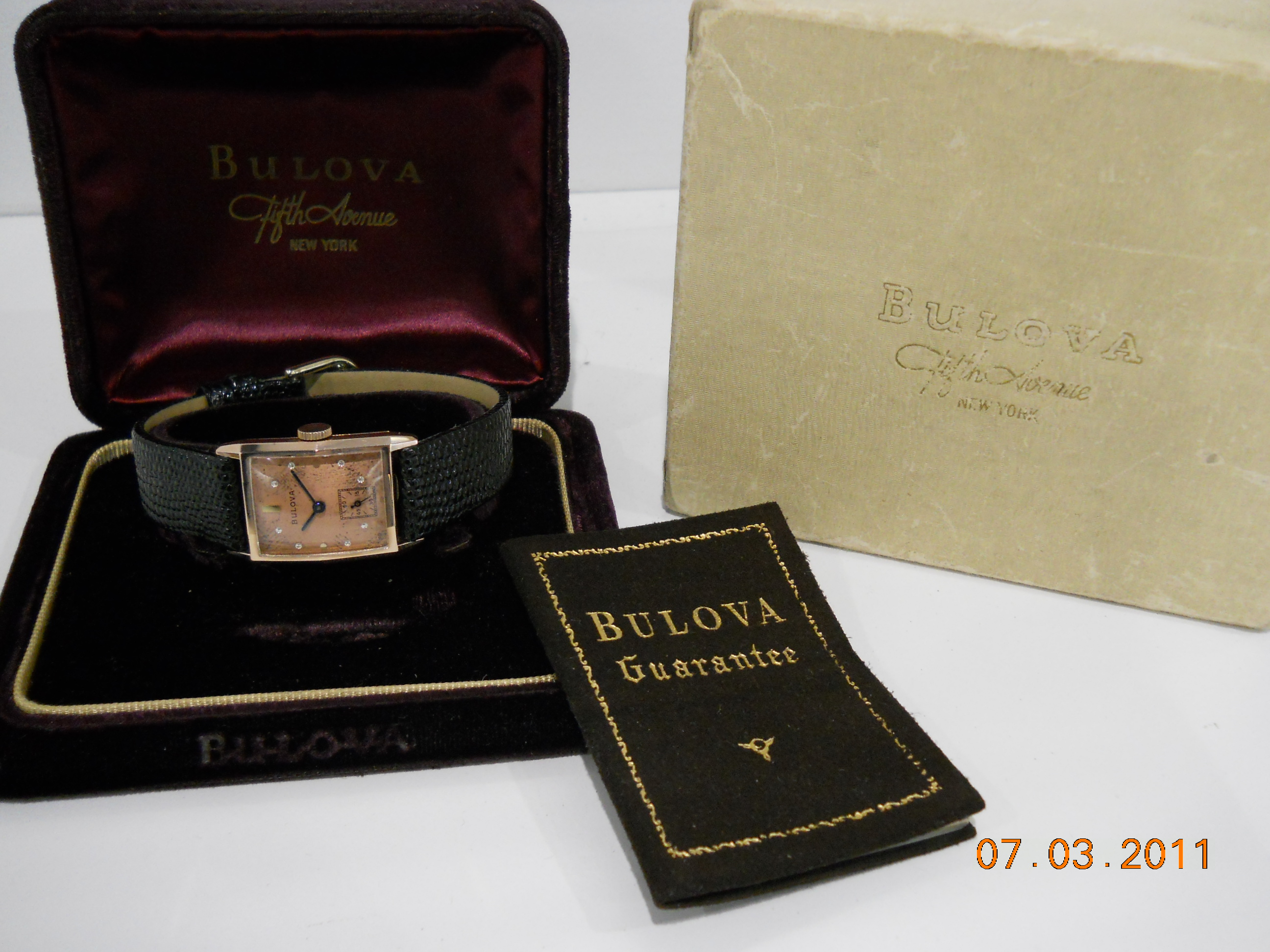
Bulova 14ct gold dress “package” 1944


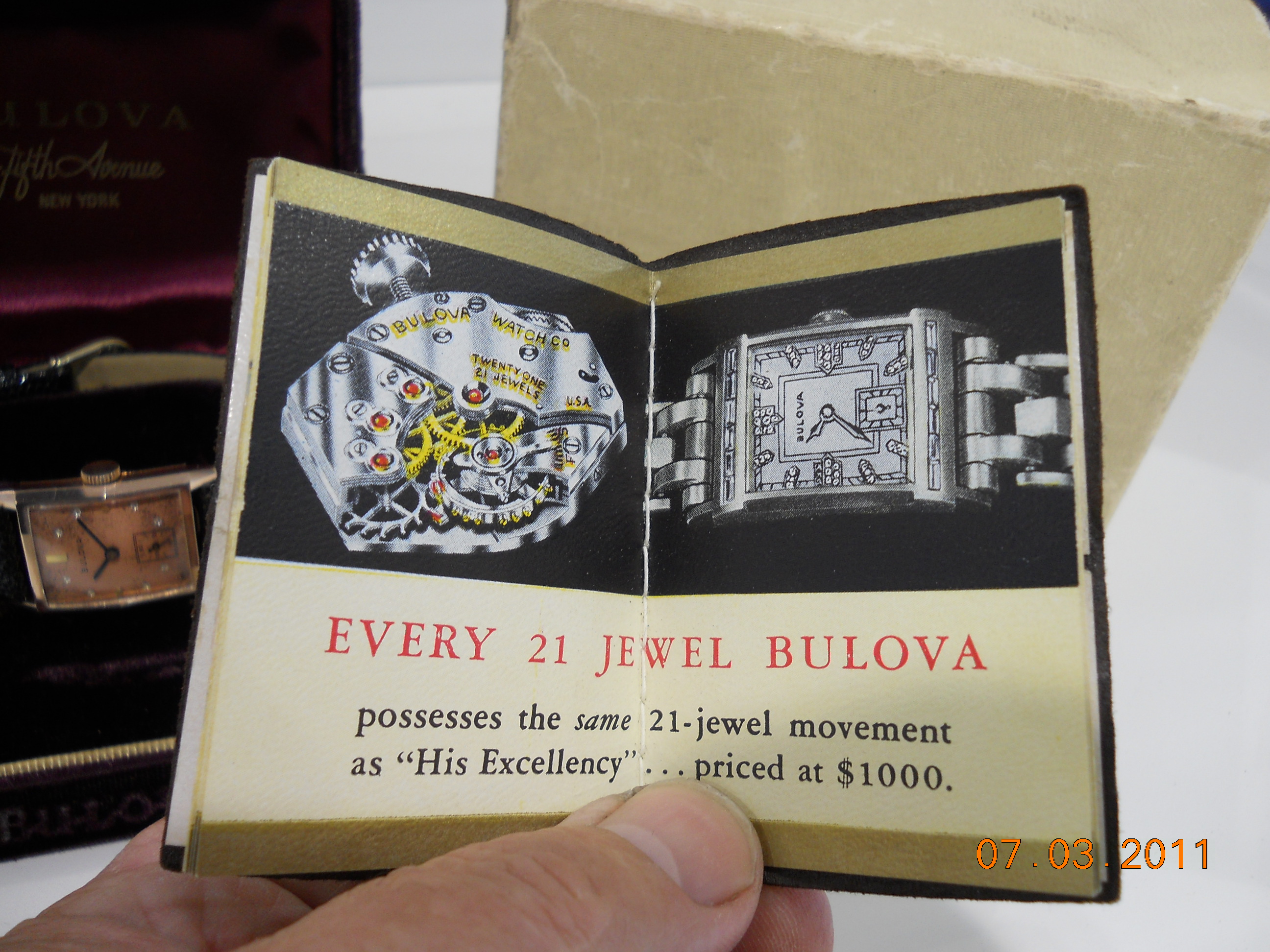
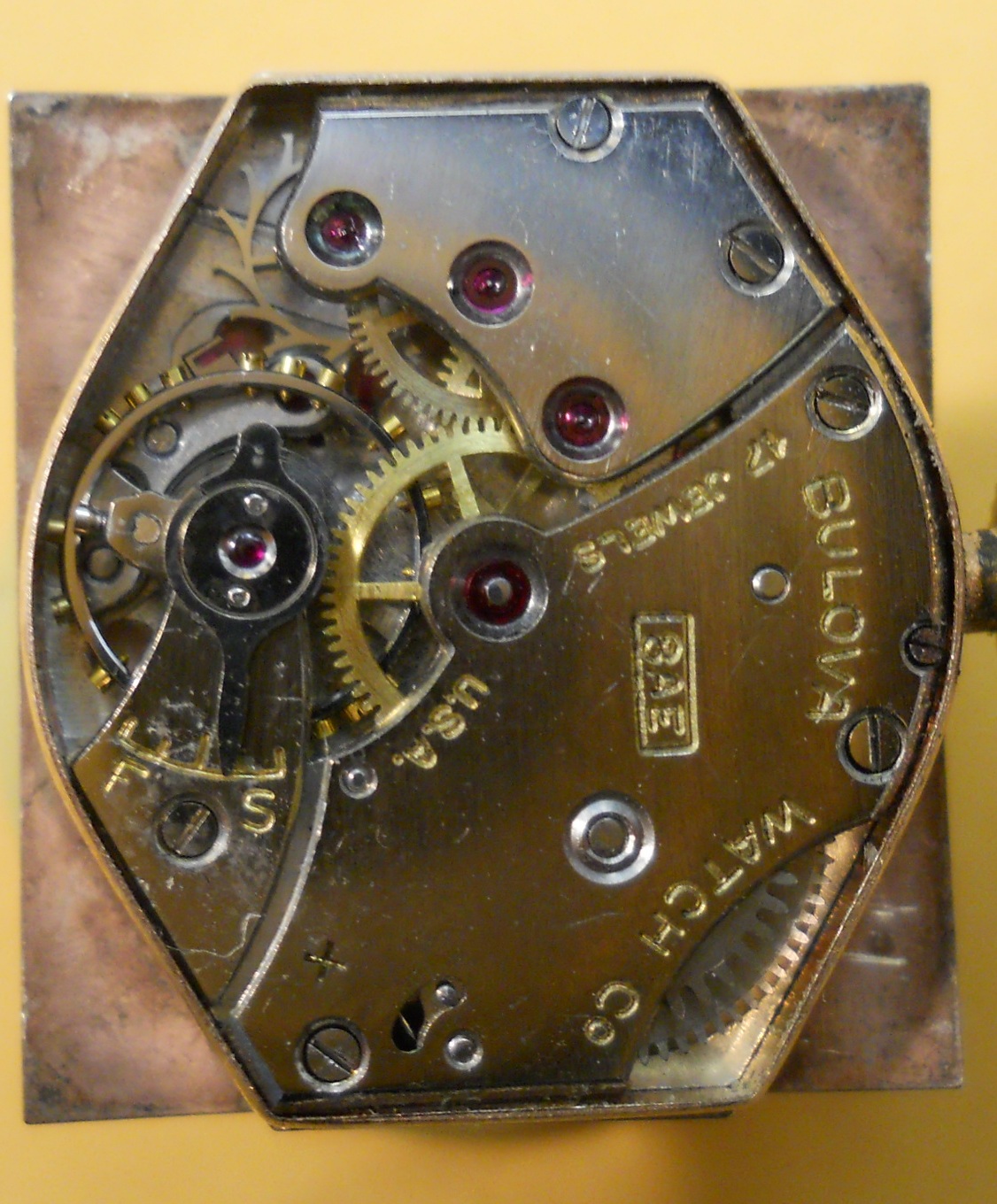
How rare is it to have a watch, in it’s box, in it’s outer box and the guarantee booklet in such condition from 1944?  Incredible, but here it is.  I can’t say that this is an attractive watch, the small rectangular shape was the fashion of the day but rarely so plain. There where much prettier designs before in the 30’s and after into the 50’s, still small and rectangular but more stylish and intricate in design. This 14ct gold watch is in beautiful condition, as is the 8AE movement but I think the dial has been tricked up but still seems to have finger prints etched into the surface.

The only other flaw is engraving on the back.  This is one of my best ever finds and is one of the most prized watches in my collection.

Posted in 14ct Gold, Bulova | Tagged , , , | Leave a comment

Omega Speedmaster “Moonwatch” 1984


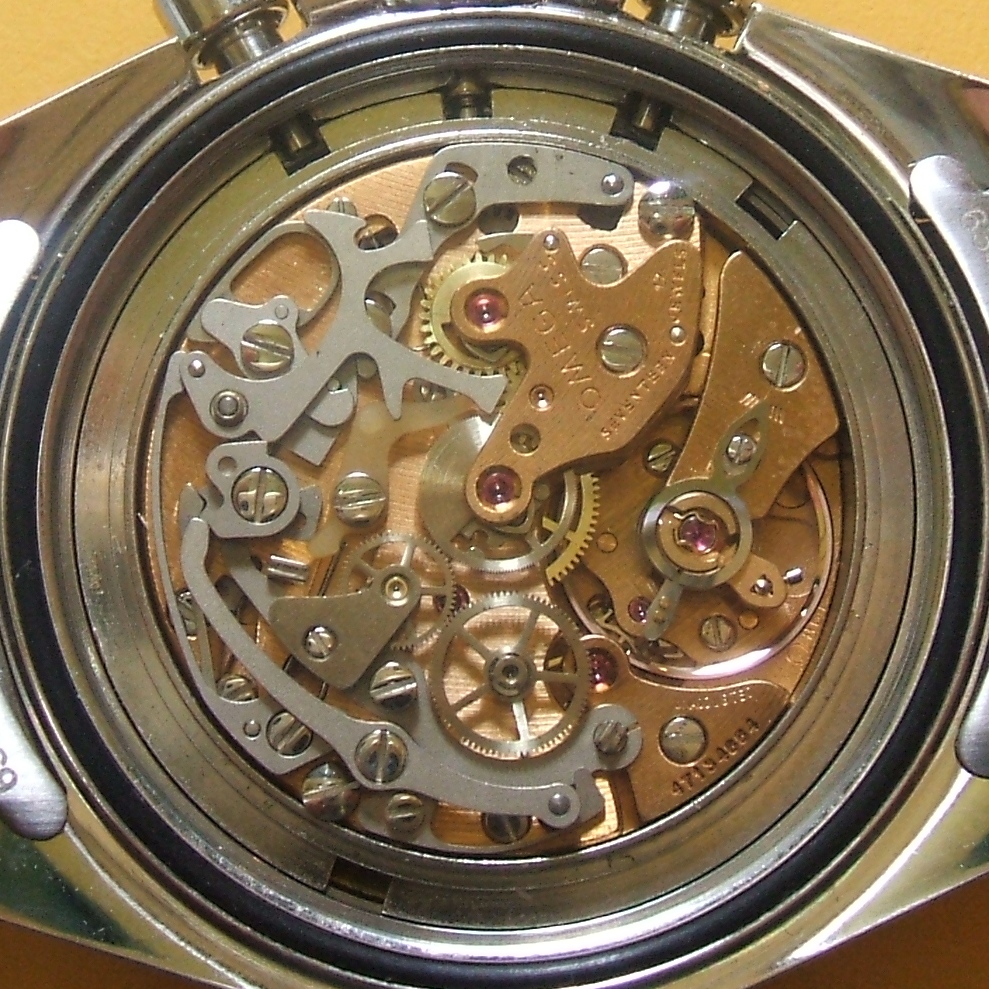
The first Speedmaster was released by Omega as a sports timer in 1957 to compliment Omega’s appointment as the official timer for the Olympic Games. Its movement was the 321 which was based on the old Lemania 2310, first introduced in 1942.

In 1965 Omega replaced the 321 with the 861, based on the Lemania 1873. This was about the time that NASA was testing watches to be used in their space programme.

Of the six chronographs that NASA tested, the Speedmaster was the only one to withstand all of the severe tests under conditions of zero gravity and magnetic fields, extreme shocks, vibrations and temperatures ranging from -18 to +93 degrees Celsius.

So as the astronauts’ official watch this lead to the most memorable moment in the Speedmaster’s history; 21 July 1969 at 02:56 GMT, when it became the first watch worn on the Moon’s surface.  With this unique accomplishment came its nickname: the Moonwatch.

In another historical event, the Speedmaster was worn on the wrists of both the American astronaut Tom Stafford and the Russian cosmonaut Alexei Leonov during the historic Apollo-Soyuz space rendezvous. This was the first time the cosmonauts also wore the Omega Speedmaster. Ever since, the Speedmaster has been the official chronograph of all Russian manned space missions.

The Speedmaster, along with the space pen (zero gravity pen) are the only two items of the Apollo 11 astronauts’ equipment that is available to the general public.

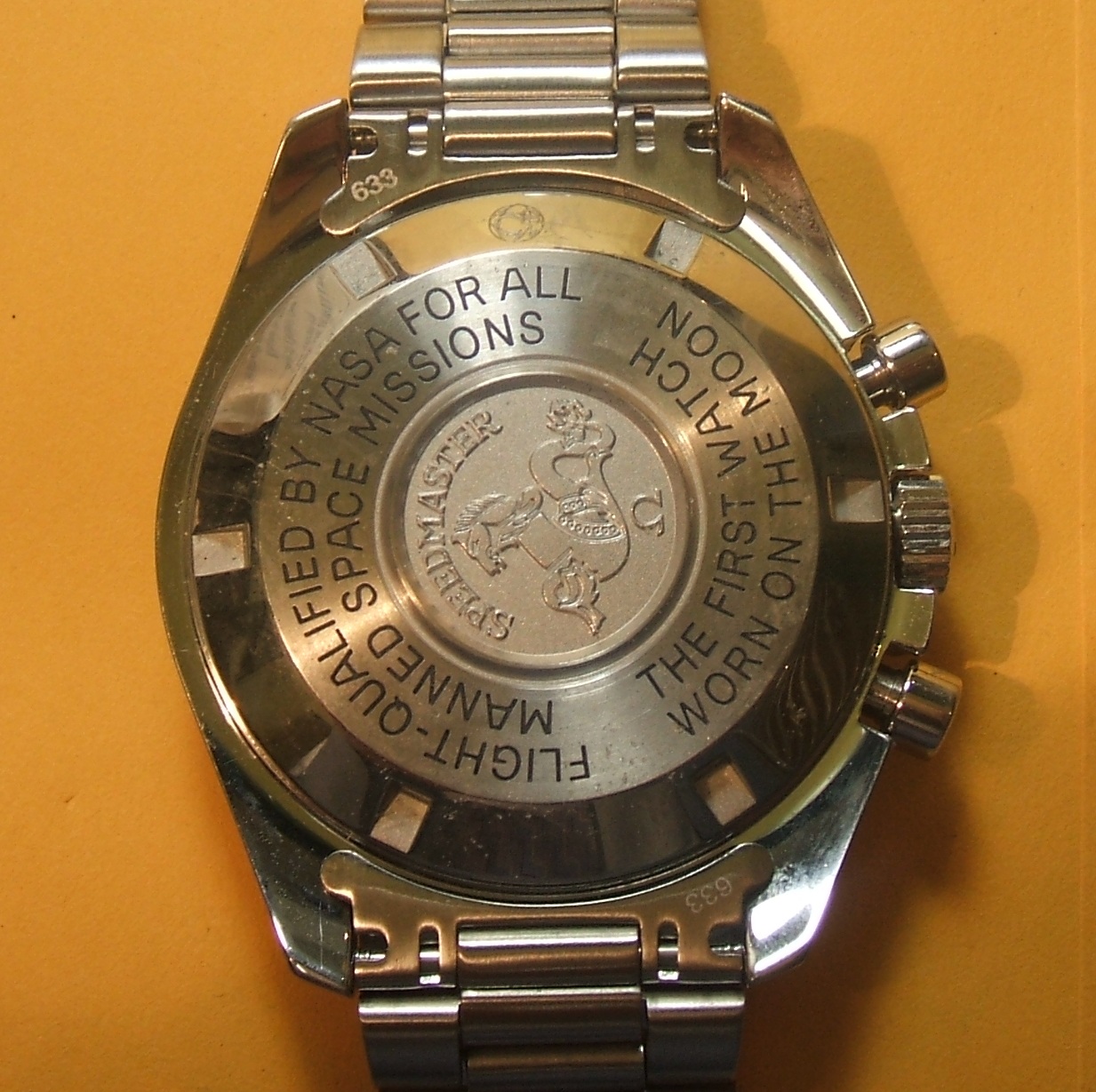
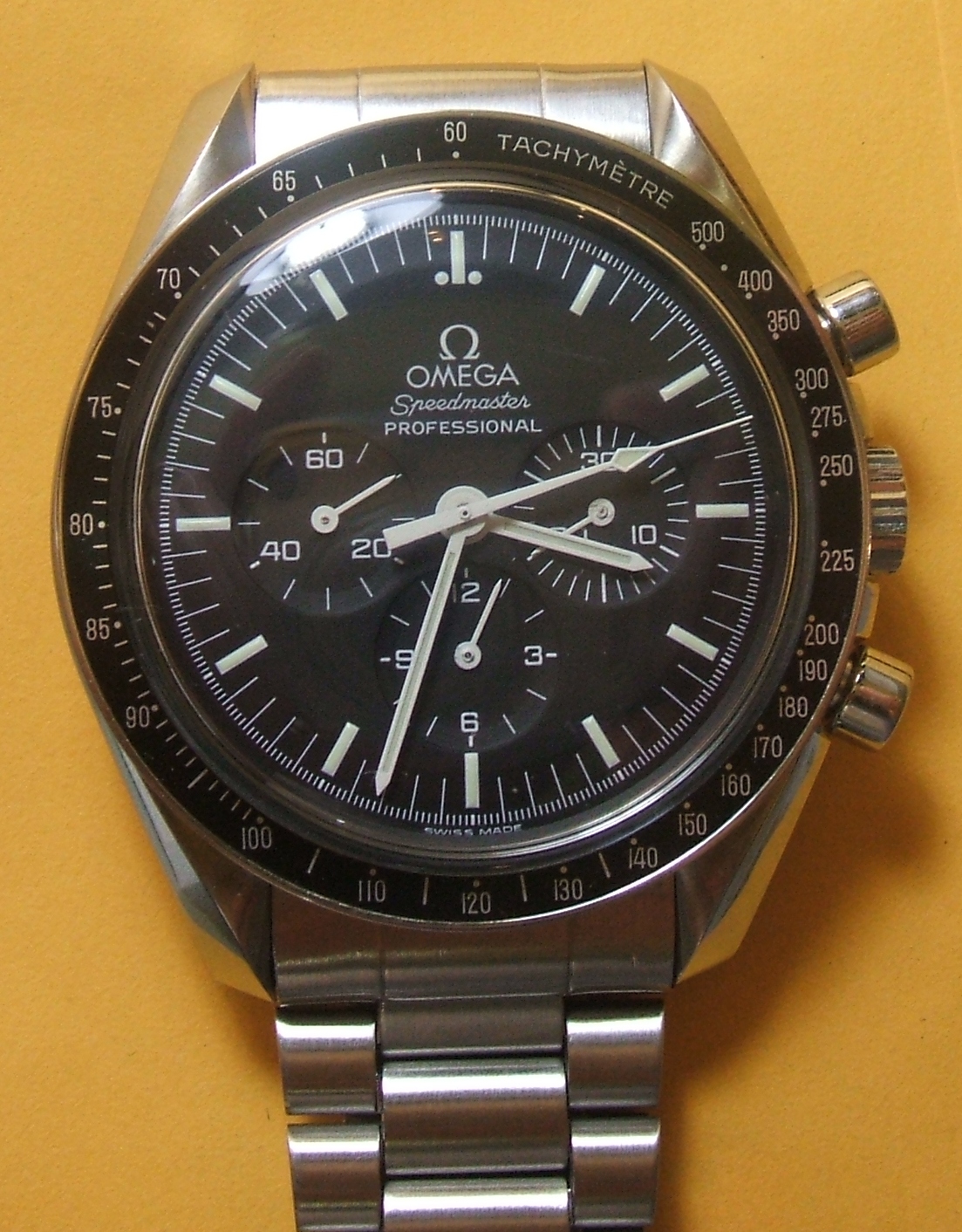
I always wanted one but never dream’t that I would end up with such an immaculate example.  Omega etched “Certified by Nasa” etc on the back from the late 70’s. Apart from that the moonwatch went unchanged for many years. This is a 1984 example with 861 calibre movement. It is signed six times including an omega symbol in the centre of the glass.

I love this watch!

The only fault is that the bracelet is made of folded steel and feels tinny compared to the solid steel of later models. Nevertheless, I prefer this, the genuine moonwatch and therefore I have something in common with Neil Armstrong.

Posted in Chronograph, Omega | Tagged , , , , , , | Leave a comment

Bulova Automatic 1969

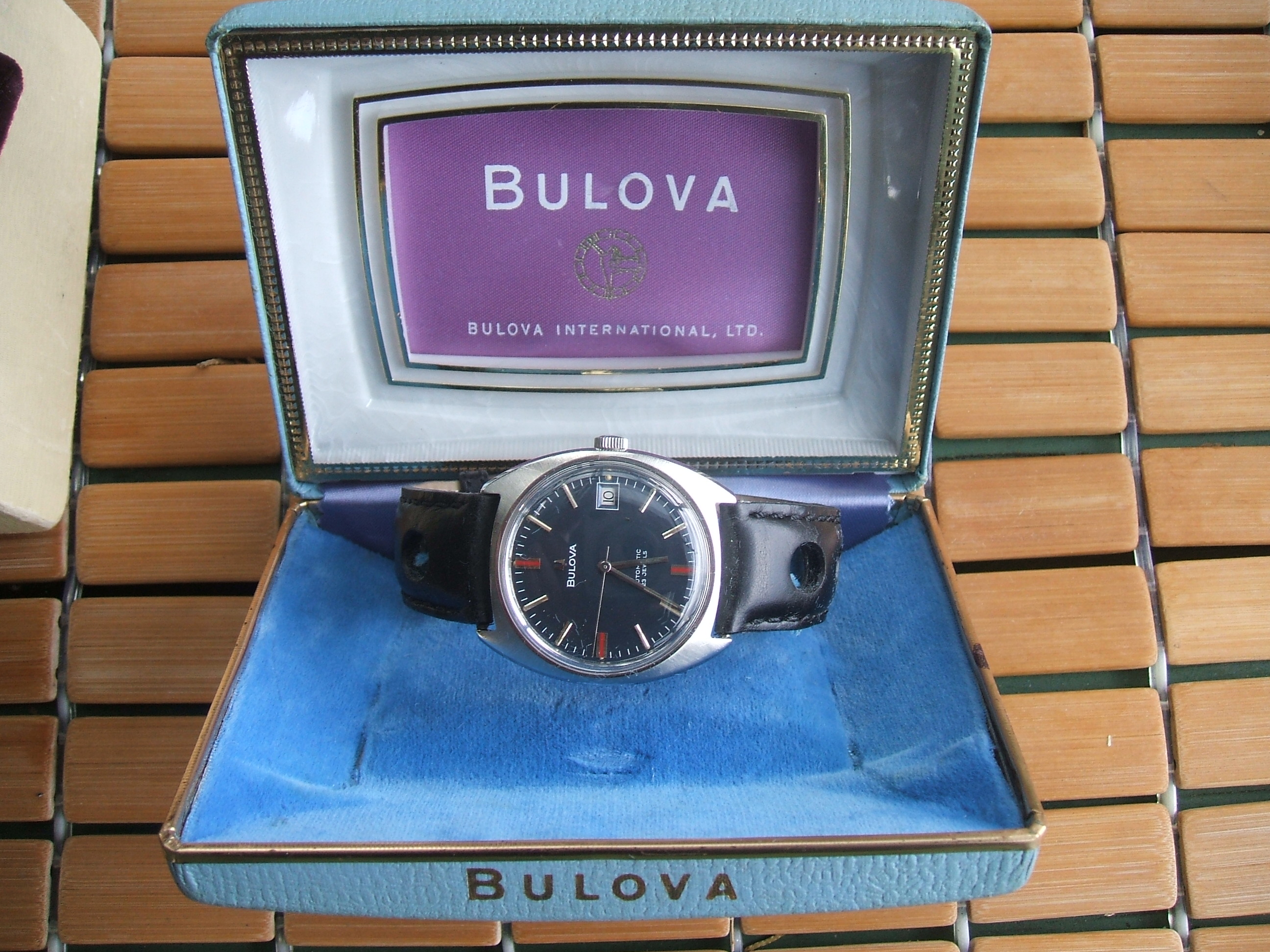
Bulova 1969 boxed,  

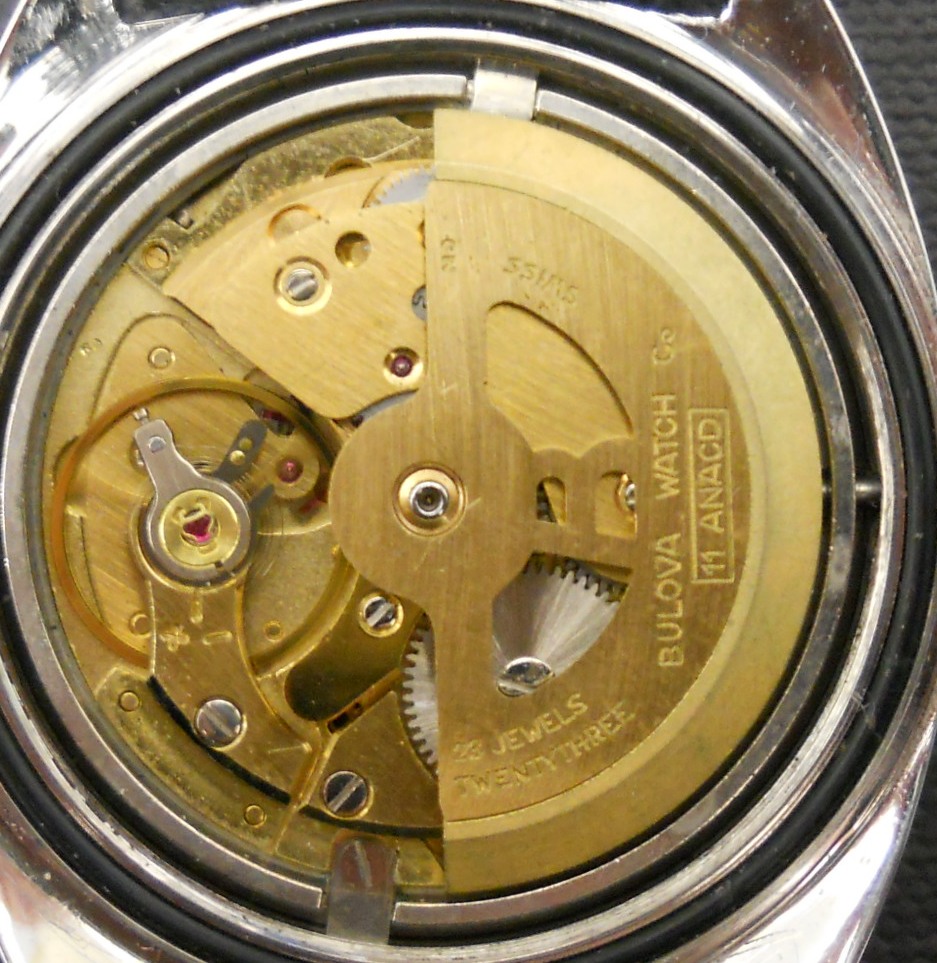
One of the great watchmakers, Bulova, produced this  excellent example of the transitional style from the 60’s to the 70’s in 1969. Bulky case but still stylish, square hands but not blockish and, revolutionary, blue dial.  The 11ANACD movement (typical Bulova  complicated caliber number) is very aesthetic with highly polished screws and a B carved out of the rotor. 11AN is the base caliber, the next A is for automatic, the C is for centre second and D is for date. This is a nice practical watch, water resistant, robust, automatic with sweep hand and date. And, in 1969, fashionable in style.

Posted in Bulova | Tagged , , , | Leave a comment

Avia Electro Mechanical

A Stepping Stone to a Giant Leap Forward

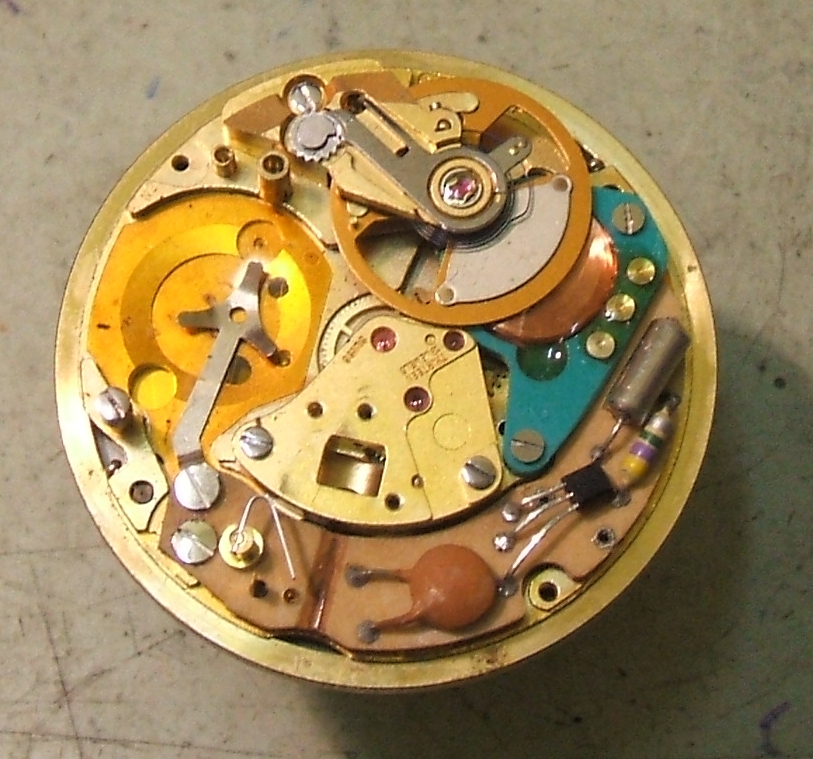
ESA Electric movementIn 1969 I went to the RMIT (Royal Melbourne Institute of Technology) as part of my apprenticeship and we studied this movement.
It was the first time I had seen an electro-mechanical watch. My thoughts where that electronics where not going to replace mechanical.
Quartz technology was still experimental, both digital and analogue, and was mega expensive.
These electro-mechanical things didn’t seem much of threat either, I saw them as not much more than a novelty.
They worked in the opposite direction to the mechanical; the balance was driven by electro magnets that transferred movement to the hands through a train. The number of gears was the same as a mechanical, minus the mainspring barrel. The balance was very heavy with two magnets and two counter weights. It was bulky and less robust than an automatic. The battery lasted about a year and the only advantage I could see was Avia Electro Mechanicalcontinuous operation, whether worn or not, for the life of the battery. Also, it could be adjusted to run quite accurately, about the same as a good quality mechanical but I think it was more consistent over time.
This technology was never an alternative to the tried and tested mechanical and soon, it was to be superseded by the all conquering quartz that swept all before it aside.
This example is from the early 70’s when bulk was good and the style suits the thick movement.
The Avia is in great condition and a good example of advancing technology of the period.

Posted in Avia | Tagged , , , , | Leave a comment